Monolithic Minimalism – Kitchen Theatre
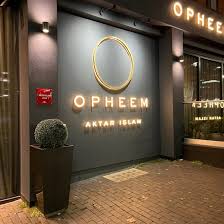
For a generation, the harsh architectural brutalism of Birmingham’s inner ring road (aka the ‘Concrete Collar’) has swallowed up lesser culinary ambitions than those of the talented Chef-proprietor Aktar Islam . Yet, step through the heavy, monolithic grey doors of Opheem on Summer Row, and the hum of city traffic immediately vanishes, replaced by the hushed, intentional gravity of a world-class culinary theatre.
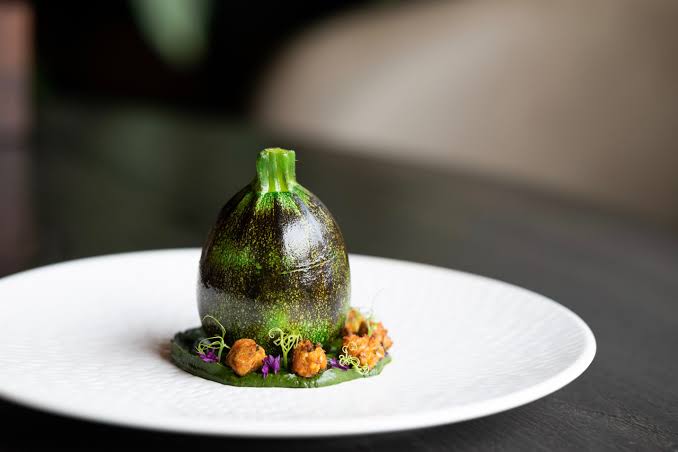
Aktar Islam has not merely built a restaurant here; he has constructed a monument to progressive Indian fine dining. Attained not one but a brace of Michelin stars — the first restaurant in the Second City to achieve such an accolade — Opheem is in a different culinary planet to Birmingham’s famed ‘Balti Triangle’/ represents a profound seismic shift in how subcontinental cuisine is understood, executed, and celebrated in the United Kingdom.
The dining journey at Opheem is a multi-act performance that begins in a plush, softly lit, and unashamedly smart reception lounge. Here, guests sink into low-slung seating to refreshed by hot towels and treated to a rapid-fire volley of avant-garde canapés.
Moving into the main 50-cover dining room, the mood shifts from cozy cocoon to striking neutrality. The aesthetic is consciously stark. Elegant, muted tones of granite and concrete dictate the space, devoid of the saturated clichés of traditional Indian interior design. The glass-walled open kitchen serves as the room’s hypnotic focal point, offering an unobstructed view of the pass where white-jacketed chefs plate dishes with the silent precision of the jewellers who once plied their craft nearby.
The service is sharp—matching London’s most vaunted dining rooms—yet delivered with an innate, down-to-earth warmth that keeps the atmosphere fundamentally uninhibited and hospitable.
Islam’s 10-course tasting menu (£185) is a rigorous interrogation of regional Indian heritage viewed through the hyper-refined lens of modern European gastronomy. The kitchen leverages custom dry-aging cabinets to concentrate the umami and structural integrity of its proteins before they ever meet charcoal.
Kekda Kerala offers a plump Orkney scallop barbecued over white-hot binchotan, swimming in a tomato rasam broth infused with bright curry leaf oil. The flavour profile is a dialectic between the oceanic sweetness of the scallop and a tongue-pricking acidity.
An Aloo Tuk Sindhi is a masterpiece of the re-engineering humble street food. A crisp, double-fried pink fir potato paired with an intensely sour, sticky tamarind glaze and a cool, aromatic mint chutney. A deft balancing of a potentially aggressive earthy warmth, sharp tang, and textural crunch.
The Gajar Lucknow is whole French sand carrot cooked over charcoal until caramelised and deeply smoky; accompanied by a airy, light lentil pakora. The dish is bound by a vibrant carrot salsa and fermented black garlic, offering deep, rich layers of sweetness layered over complex, savory funk.
Hiran Lucknow dry-aged venison loin, roasted flawlessly pink, served alongside an assertive, beautifully balanced achaari (pickling spice) sauce. The deep, metallic gaminess of the meat is masterfully cutting through the sharp, vinegar-edged heat of the pickling spices, grounded by an earthy parsley root purée.
The meal concludes with a micro-gastronomic play on the British “After Eight”. The use of liquid nitrogen at the tableside, the kitchen freezes a delicate matrix of dark chocolate, mint creme, and pine ice cream. The result is an ethereal bridge between nostalgia and modern molecular wizardry.
Opheem is nothing short of a spectacular triumph. Chef Islam has decoupled Indian flavours from the limiting expectations of the high-street curry house, curating a menu that values precision, exact spicing, and breathtaking regional clarity.
65 Summer Row, Birmingham B3 1JJ

Author: George Shaw
Former BBC journalist and founder and CEO of an award-winning London advertising and PR company for 20 years, providing restaurant consultancy services. Spent a decade as the director of communications of the Asian Catering Federation in the UK and lead judge for its various restaurant and chef awards programmes. Now returned to journalism, specialising in food and travel and currently the Editor-in-Chief for Taste London, Taste Asia, the Good Curry Guide and CEO of International Culinary Guides.